The short answer: most event planning mistakes come from three things: choosing a venue on vibe or price alone, not asking what is and isn’t included, and having more vendors than coordinators. Fix those, and most of the stress of hosting goes away.
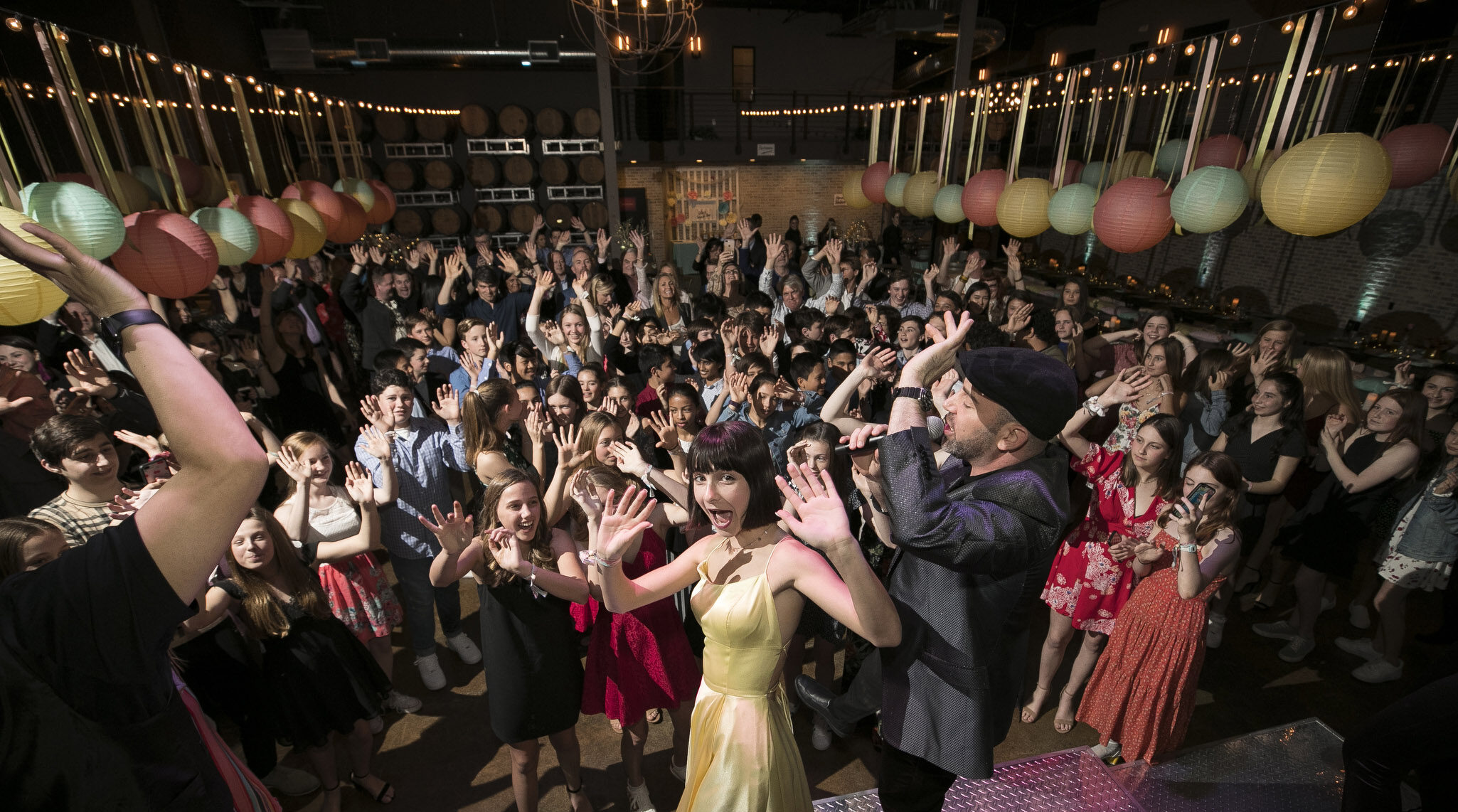
We plan and run events every week at our San Carlos winery, from 12-person board meetings to 1,000-guest receptions. These are the questions we hear most from corporate planners and people hosting their own celebrations, answered the way we would answer a friend. Whether you book with us or somewhere else, use this as your checklist.
What are the most common event planning mistakes?
The most common mistakes we see are avoidable ones: picking a venue for the wrong reasons, skipping the fine print, and leaving no room for change. Here are the ones that come up again and again.
- Choosing a venue on “vibe” or cost alone. A beautiful room with no AV, no rain plan, or a 10 PM curfew can cost you more than a pricier room that includes all three.
- Skimming the fine print. Linen, uplighting, coordination, overtime and cleanup are often billed separately. Read the contract before you sign, not after.
- No backup plan for extra guests. Headcounts grow. Ask now what happens if 20 more people RSVP yes after your final count is due.
- Too many vendors, not enough coordinators. Every vendor you add is another arrival time, another contact and another set of questions on the day. Someone has to own all of them.
- Making big changes at the last minute. Most venues will try to accommodate you, but late changes can mean rush fees and less polish. Lock major decisions at your planning deadlines.
- Assuming more guests costs the same per person. A longer guest list raises costs across catering, staffing, rentals and AV, not only food.
- Forgetting what happens after the party. Breakdown, cleanup and vendor load-out take time, and someone has to manage them.
How do I evaluate the right venue beyond vibe and cost?
Start by deciding what success looks like for your event, then compare venues on what they actually include, not on photos or the headline price. A venue that looks cheaper often costs more once you add the things it leaves out.
Split your needs into two lists before you tour anywhere:
- Personal needs: the feel of the space, cuisine, theme, and the experience you want guests to have.
- Functional needs: capacity for your seated and standing count, AV, power, parking, end time, rain plan, accessibility, and staffing.
Then score each venue side by side. Use this as a worksheet:
| What to compare | Why it matters | Venue A | Venue B |
| Seated and standing capacity | A room that fits 300 standing may only seat 150 | ||
| What the rental includes | Tables, chairs, linen, lighting and AV can each be extra | ||
| Coordination | Is there one point of contact from booking to wrap-up? | ||
| Latest end time | Many venues close by 10 or 11 PM | ||
| Indoor or weather backup | An outdoor-only venue needs a plan B | ||
| Outside vendor policy | Can you bring your own caterer, DJ or florist? | ||
| Exclusive use | Will other groups share the venue during your event? | ||
| Change and headcount fees | What it costs to add guests or change plans late |
One final test: picture your guests arriving, eating, listening and leaving. If any step feels unclear at the venue, ask about it before you sign.
What questions should I ask a venue before booking?
Ask questions that reveal the real total cost and who does the work on event day. A good venue will answer every one of these clearly and in writing.
Cost and contract
- What exactly is included in the rental fee, and what is extra?
- Is linen included? Are uplights or other lighting included?
- Do you charge for event coordination?
- What are the fees for last-minute changes?
- What happens, and what does it cost, if my headcount goes up after the final count is due?
- When are payments due, and what is the cancellation policy?
Space and timing
- Will I be the only group using the venue, or is the space shared?
- What is the latest my event can run?
- What is the plan if the weather turns?
- How much setup and breakdown time is included?
People and support
- Who is my point of contact, and will that person be on-site the day of?
- Can I bring my own vendors? Do you have a preferred list, and is it required?
- Will you manage my outside vendors on the day, or is that on me?
- What AV is in-house, and is a technician there during the event?
- How do you handle dietary restrictions and allergies?
At Domenico, every client gets one coordinator from the first booking conversation through the event and the follow-up afterward. Other coordinators may join on a large event, but you always have one point of contact. Whether or not you book with us, ask every venue who that person will be.
What should I ask a vendor before hiring them?
Ask every vendor the same core questions so you can compare them fairly, and get the answers in writing. These work for caterers, DJs, florists, photographers, rental companies and AV providers.
- Have you worked at this venue before? If not, will you do a walk-through?
- What time do you need to arrive, and how long do setup and breakdown take?
- Who is my contact before the event, and who will be there on the day?
- What is included in your quote, and what could be added later?
- Do you carry liability insurance, and does the venue require proof of it?
- What power, space or access do you need from the venue?
- What is your plan if someone on your team is sick or delayed?
- What is your cancellation and refund policy?
Then share every vendor’s answers with your venue coordinator. Most day-of problems come from vendors and venues not knowing each other’s plans.
You don’t have to use a venue’s preferred vendor list, but it’s worth a look. Preferred vendors already know the building, the loading access and the staff. At Domenico, our list is a starting point, not a requirement. You can bring your own vendors, and we’ll manage them on the day if you’d like, or step back if you already have someone doing that.
How do I get an accurate quote for my event?
You get an accurate quote by giving the venue accurate details up front and asking for every line item, not just the rental fee. Vague requests get vague numbers, and vague numbers grow.
Before you request a quote, have these ready:
- Your date, plus any flexible alternatives
- Start and end times, including setup and breakdown
- A realistic guest count, and the most it could grow to
- The format: seated dinner, standing reception, meeting, activity, or a mix
- Food and drink style, and any dietary needs you already know of
- AV, lighting and entertainment needs
- Your budget range
Then ask the venue to itemize everything: rental, food and beverage, staffing, coordination, AV, linen, lighting, service charges and tax. Ask what the quote would look like with 10 to 20 percent more guests.
Be flexible on day and time if you can. Many venues price weekdays and daytime events lower than Friday and Saturday nights. At our Osteria, for example, a private buyout costs less on Mondays, Tuesdays and before 3 PM than it does between Wed-Sun evenings. Ask every venue you’re considering about their slower days.
Finally, set aside a contingency of 5 to 10 percent of your budget. Estimates move, and the planners who stay calm are the ones who left room for that.
Which planning deadlines matter most?
The deadlines that matter most are the ones that lock your headcount, your menu and your payments. Miss one, and every decision after it gets harder and often more expensive.
For most events we host, the key milestones fall between about six months out and the day of the event:
- Second payment
- Final headcount
- Final menu lock-in
- Third payment
- On-site planning tour, where you walk the space with your coordinator and confirm the layout and flow
- Add-on requests, such as extra AV, lighting or other upgrades
We send a reminder before every one of these, so nothing sneaks up on you. If your venue doesn’t do this, put each date in your own calendar with a reminder a week before.
Two habits make deadlines easier at any venue. First, keep one shared planning document with every date, owner and vendor contact in it. Second, draft your day-of timeline early, then share it with each vendor in turn so they can flag problems while there’s still time to fix them.
What does hosting a large event of up to 1,000 guests involve?
A large event needs three things a small one can get by without: one person who owns every moving part, enough trained staff on the floor, and AV that someone is actively running. At 1,000 guests, small gaps become long lines, missed cues and confused vendors.
When you’re comparing venues for a big event, check for these:
- Real capacity for your format. A room’s standing and seated numbers are very different. Our Cask Room, for example, holds up to 1,000 guests standing but 300 seated.
- A single point of contact. On large events, more coordinators may be needed, but you should still deal with one person. At Domenico, your coordinator stays with you from booking through the event and the wrap-up afterward, and our coordination team, led by Ashley Richter, brings in more people behind the scenes when the event calls for it.
- Vendor management. With a dozen vendors arriving, someone has to manage load-in times, power, placement and breakdown. Ask whether the venue will do this for your outside vendors.
- Staffing and support. Ask how many staff will be working your event, and who handles bar, service, setup and cleanup.
- A plan for headcount growth. Large guest lists move the most. Ask what it costs to add guests after your final count is due.
- Enough time. Many Bay Area venues end events by 10 or 11 PM. Ours can run until 2 AM, which matters when you have speeches, dinner and dancing to fit in.
Food at this scale needs a clear plan for dietary needs. Our culinary team, led by Chef Chad Huck, works with you on the menu and customizes dishes for dietary restrictions.
How do I plan a meeting or team activity for around 50 people?
For a group of about 50, choose a room sized for your group and decide early whether you’re hosting a meeting, an activity, or both. A room built for 300 feels empty with 50 people, and an activity without a host turns into people standing around.
Ask any venue you’re considering:
- Is there a room sized for my group, so it feels full but not cramped?
- Can we hold a working session and a social activity in the same visit?
- Who leads the activity, and how does it keep everyone involved, not only the outgoing few?
- Is the space private for our group, and does that cost more on certain days or times?
Here’s how that works at our San Carlos location, as an example of what to look for:
| Space or experience | Group size | What it’s for |
| Boardroom | Up to 12 | Leadership meetings and small working sessions |
| Syrah Suite | Up to 60 | Meetings, workshops and conferences with in-house AV |
| Osteria private buyout | Up to 50 | Private dinners, pizza making and tastings |
| Wine blending in the Cask Room | Your group | A guided, competitive team-building activity of up to 2 hours |
Pizza making happens in the Osteria. The group splits into teams that take turns making their pizzas while everyone else mingles. Once all the pizzas are done, everyone eats together or takes theirs home.
Wine blending is led by our head sommelier, Kelly Sollars, who walks the group through French Meritage blending techniques. Teams compete to make the best blend, which is why it works so well for team building.
We also host wine tastings and wine and cheese pairings for groups.
About Osteria buyouts: a private buyout has a fee from Wednesday to Sunday, the days we’re open to the public, and the fee depends on your group size. There’s no extra buyout fee on Mondays and Tuesdays, or before 3 PM on any day. If your schedule is flexible, ask every venue a similar question about their quieter days.
What AV should I ask a venue about?
Ask not only what equipment a venue has, but who runs it during your event. A projector with no technician nearby is a risk; a technician who knows the room is insurance.
Use this list when you talk to a venue:
- Display: Are projectors and screens in-house? What connections do they take?
- Sound: How many microphones are there, and are they handheld or wireless lapel mics? Are the speakers built for speeches, music, or both?
- Remote guests: Can you run Zoom or other video calls so people elsewhere can join or present?
- Livestreaming and recording: Can the event be streamed live or recorded for people who couldn’t attend?
- Support: Is there an in-house technician during the event, or only at setup?
- Testing: When can you and your speakers do a run-through before guests arrive?
- Cost: Is AV included in the rental, sold as a package, or charged per item?
At Domenico, our in-house AV team, led by Jeremy Greene, handles projectors, screens, microphones, speakers, recordings, Zoom and remote calls, and livestreaming, with technicians on-site. Whichever venue you choose, always do a tech run-through with your presenters before doors open, and bring a backup copy of every presentation.
Event planning dos and don’ts at a glance
If you remember nothing else, remember this list.
| Do | Don’t |
| Compare venues on what’s included, not only on vibe or price | Book on photos and a headline rental rate |
| Read the contract and ask what’s extra | Assume linen, lighting or coordination are included |
| Plan for more guests than your current count | Treat your first headcount as final |
| Have one coordinator who owns every vendor | Add vendors without anyone managing them |
| Lock big decisions at each planning deadline | Make major changes in the final weeks |
| Ask who runs the AV during the event | Assume the equipment will just work |
| Ask about weekday and daytime options | Assume Saturday night is your only choice |
| Plan setup, breakdown and cleanup | Forget the event continues after guests leave |
About Domenico Event Pros
Our team at Domenico Winery in San Carlos, California: Marina Patton, COO; Ashley Richter, Event Manager; Chef Chad Huck, Culinary lead; Jeremy Greene, Head of IT / AV; and Kelly Sollars, head sommelier. Together we plan and run private and corporate events of 10 to 1,000 guests on the San Francisco Peninsula.
Have a question we didn’t answer? Our FAQ page covers capacity, timing and booking details. Planning something in the Sierra Foothills instead? See our Amador event venue.